Sreemangal | 14–16 December 2025
To prepare young leaders for effective and inclusive community leadership, ALO Society’s Young Scholar Programme organised a three-day learning and experience visit in Sreemangal from 14 to 16 December 2025. The visit brought together scholars and mentors from the Chattogram Hill Tracts (CHT) and Dhaka regions with the purpose of experiencing communities beyond their own regions and gaining practical learning that can be applied in their respective communities in the future.
Rather than a study tour, the visit was designed as an immersive learning experience, allowing scholars to observe, interact, reflect, and understand diverse community realities. The programme was carefully coordinated by Sylhet Region Scholar Rumon Almik and Mentor Samuel Das, ensuring a meaningful and participatory experience for all.
Day One: Experiencing Community Life and Local Practices
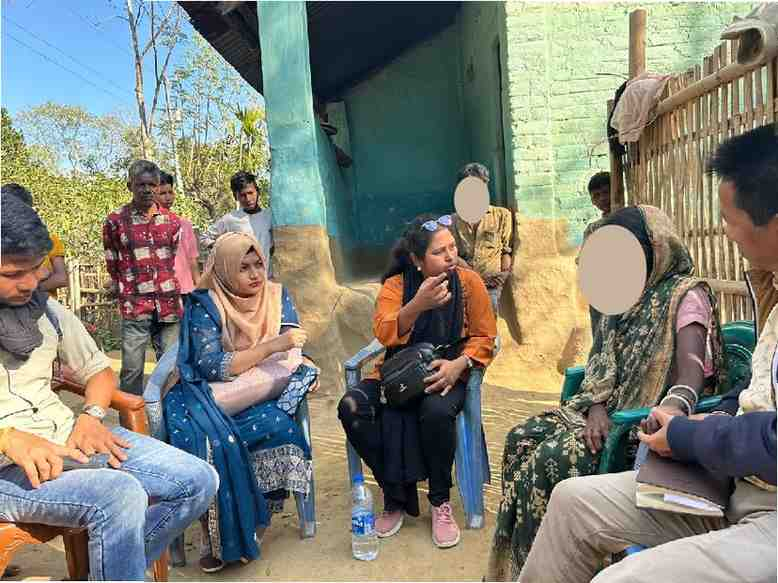
The learning visit began with a visit to Patakuri Federation, where scholars were warmly welcomed by federation members and local leaders. Through open discussions, federation members shared their lived experiences, organisational practices, and challenges.
For scholars visiting from other regions, this was an important opportunity to understand how federations operate differently based on local context.
Scholars and Mentors visiting local Communities in tea garden.
A separate interaction with coaching students helped scholars reflect on how education initiatives are shaped by community needs. These exchanges encouraged scholars to think about how similar approaches could be adapted in their own regions. The day also included a cultural programme that allowed scholars to experience local traditions and community expressions, reinforcing the idea that leadership must respect culture and identity.
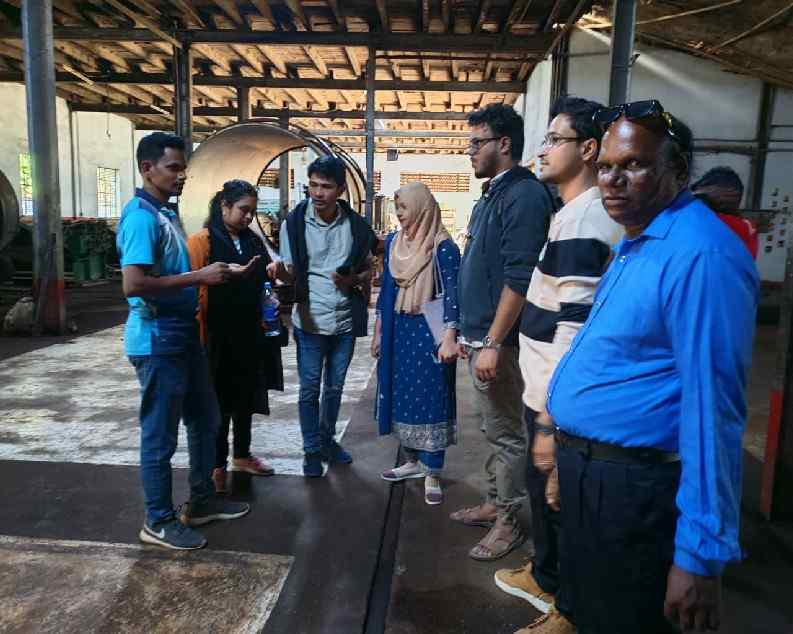
Later, scholars visited a tea garden, where they observed the tea cultivation and production process and learned about the daily lives and livelihoods of tea garden workers. This experience broadened their understanding of marginalised communities outside their own regions.
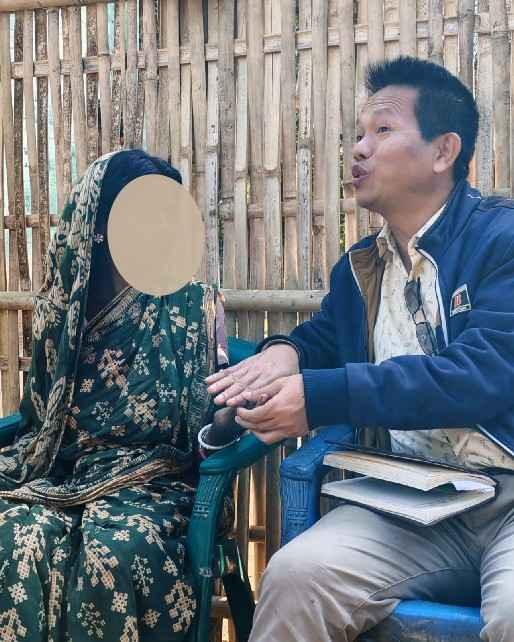
The day concluded with door-to-door visits to persons affected by leprosy, where Mentor Shakya Singh Chakma provided a practical demonstration on basic ulcer care. This hands-on session deepened scholars’ understanding of health-related challenges and the importance of compassionate, community-based support.
Day Two: Learning Through Interaction and Shared Responsibility
On the second day, scholars participated in a learning-sharing session with coaching teachers in Shamshernagar. Scholars Bristi Akter and Sushanta Chakma, along with Mentor Sabiha, facilitated discussions that encouraged mutual learning rather than one-way instruction. This experience strengthened scholars’ confidence in communication, facilitation, and leadership.
In the evening, a team-based picnic was organised where scholars and mentors shared responsibilities such as planning, shopping, and cooking. This activity highlighted practical leadership skills—teamwork, coordination, accountability, and cooperation—that are essential for community leaders.
Day Three: Reflection, Leadership Thinking, and Future Application
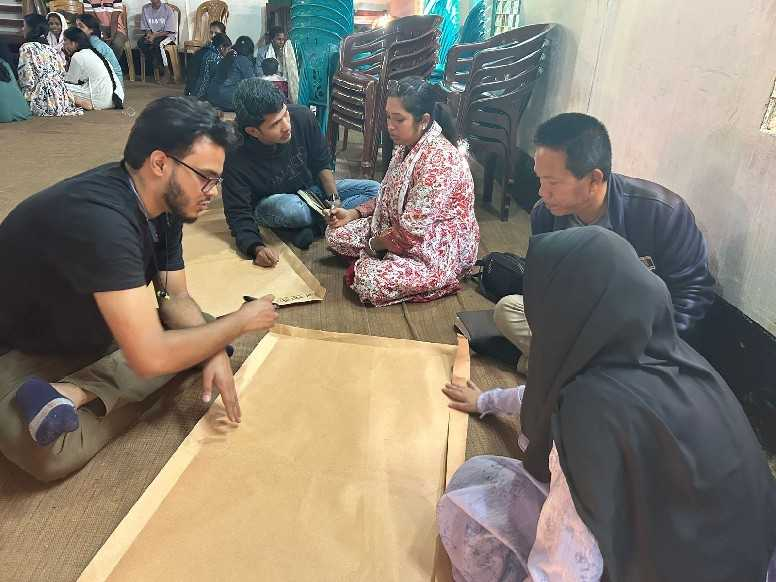
The final day focused on reflection and turning experience into learning. Scholars worked on organising their observations and preparing presentations for future sharing within their own regions. A reflection session facilitated by Programme Manager klinton Malakar encouraged scholars to critically reflect on what they experienced, how it differed from their own communities, and how these lessons could be applied back home. Scholars shared their insights, challenges, and ideas openly, reinforcing the purpose of the visit as a foundation for future leadership.
Key Learning for Future Leaders
Through this learning and experience visit, scholars gained: Exposure to community realities beyond their own regions. Understanding of how federations function in different social and cultural contexts
Insights into the lives and livelihoods of tea garden communities, Practical understanding of community-based healthcare support
Increased awareness of how regional diversity shapes development work
Participants expressed sincere appreciation to Rumon Almik and Samuel Das for leading and coordinating the visit.